Protecting your financial future isn’t just about saving, investing, and planning for retirement. It’s also about protecting the personal information and financial accounts you’ve worked hard to build.
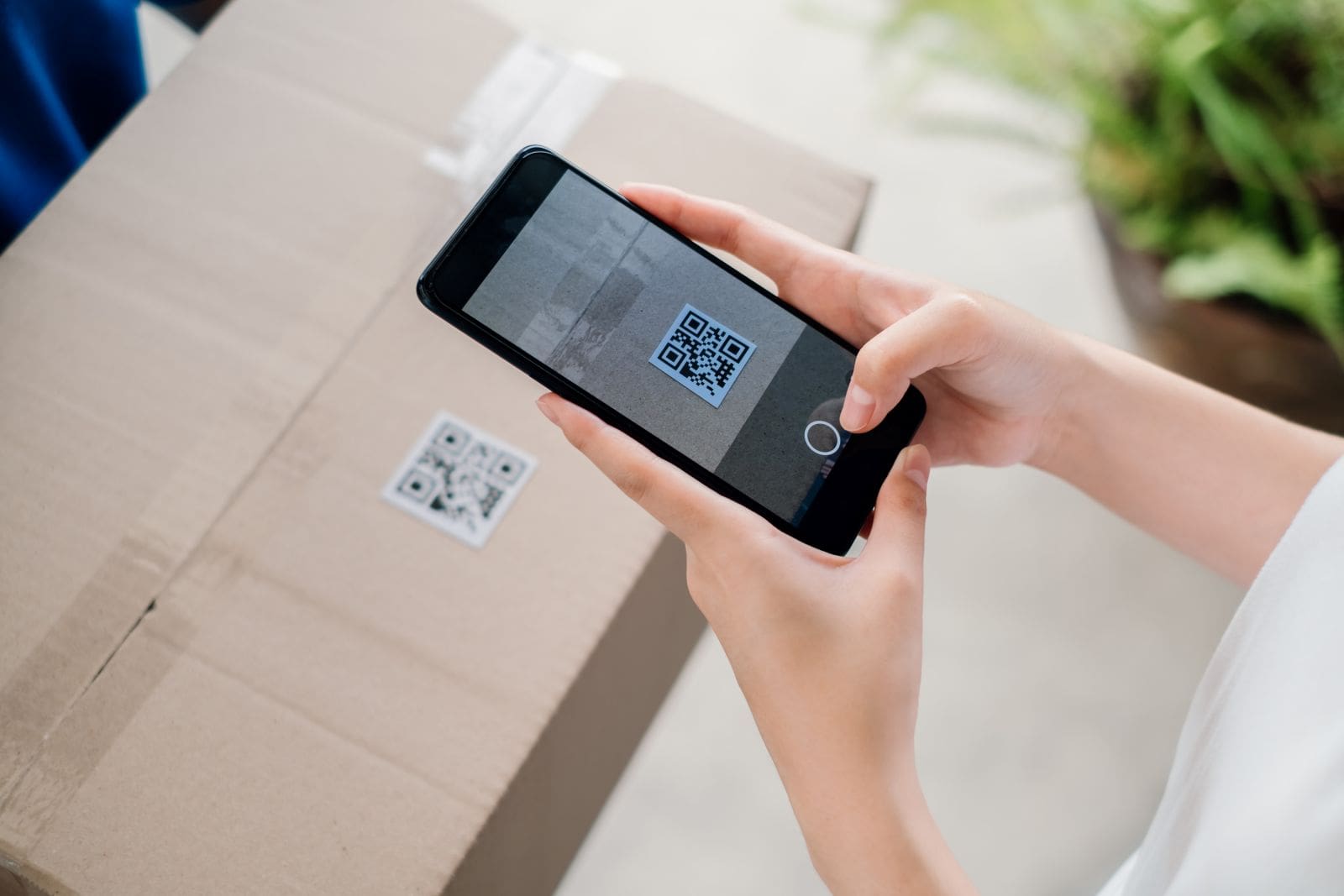
As more of our daily lives move online, scammers continue to find new ways to exploit convenience. One of the fastest-growing tactics involves something millions of people use every day: QR codes.
Whether you’re paying for parking, checking into an event, downloading a boarding pass, or viewing a restaurant menu, scanning a QR code has become second nature. Unfortunately, criminals know that many people don’t stop to question where that code leads.
Understanding how these scams work and adopting a few simple habits can help protect both your personal information and your financial life.
Why QR Code Scams Matter
A QR code isn’t dangerous by itself. It’s simply a shortcut that directs your phone to a website or online action.
The problem is that scammers can create counterfeit QR codes that send you to fraudulent websites designed to steal passwords, payment information, and other sensitive data. These fake codes may appear on public signs, parking meters, flyers, emails, text messages, or social media posts.
A successful QR code scam can lead to unauthorized credit card charges, drained bank accounts, identity theft, fraudulent transactions, or criminals gaining access to financial accounts.
Because many fraudulent websites closely resemble legitimate businesses, victims often don’t realize they’ve been scammed until much later.
Where You May Encounter QR Codes
Today, QR codes appear almost everywhere, including:
- Parking meters and kiosks
- Restaurant menus
- Retail stores
- Concerts and sporting events
- Airline boarding information
- Package delivery notices
- Utility bills
- Charitable fundraising campaigns
Most QR codes are perfectly legitimate. The key is remembering that every QR code leads somewhere, and not every destination deserves your trust.
Five Smart Habits to Help Protect Your Financial Life
#1: Treat Every QR Code Like an Unknown Website
It’s easy to assume a QR code is safe simply because it’s printed on a sign or included in an email. In reality, scanning a QR code is no different than clicking an unfamiliar link.
Most smartphones display the destination web address before opening the page. Take a moment to review it carefully. Misspelled words, unfamiliar domain names, or extra characters can all be warning signs that the QR code is a scam.
A Smarter Move: If the web address doesn’t look right, don’t continue. Visit the organization’s website directly by typing the address into your browser or using its official mobile app.
#2: Slow Down Before Taking Financial Action
Many scams rely on creating urgency.
A QR code may claim that your account has been locked, that your package can’t be delivered, or that immediate payment is required. These messages are designed to get you to react before you have time to think.
Legitimate businesses rarely pressure customers into making immediate financial decisions through a QR code.
A Smarter Move: Pause before acting. If money or sensitive information is involved, contact the organization directly using a phone number or website you already know is legitimate. Financial confidence comes from making smarter moves, not faster ones.
#3: Protect Your Personal Information
A QR code should never automatically earn your trust.
If the website asks you to enter passwords, financial account numbers, Social Security numbers, credit card information, or other sensitive details, proceed with caution.
Scammers often create websites that look remarkably similar to trusted companies.
A Smarter Move: Close the page and access your account directly through the company’s official website or mobile app before entering any information. If you prefer to call Customer Support, make sure you use the phone number on the official website, not the one you were sent. A fraudulent website is likely to have fraudulent phone numbers and email addresses as well.
#4: Be Suspicious of Public QR Codes
Scammers have been known to place counterfeit QR code stickers over legitimate ones, particularly on parking meters, kiosks, and public signs.
A sticker that’s crooked, damaged, or appears to have been placed over another QR code deserves extra scrutiny.
A Smarter Move: If something seems unusual, don’t scan it. Use another payment method, visit the organization’s website directly, or ask an employee for assistance.
#5: Keep Your Devices Secure
Technology companies regularly release software updates that fix newly discovered security vulnerabilities. While updates can’t prevent every scam, they can make it more difficult for criminals to exploit known weaknesses.
It’s also important to use your phone’s built-in security features, including passcodes, fingerprint authentication, or facial recognition.
A Smarter Move: Turn on automatic software updates and enable your device’s security features to add another layer of protection for your personal information.
What to Do If You Think You’ve Been Targeted
Mistakes happen. Acting quickly can often reduce the financial impact of a scam.
Contact Your Financial Institutions
If you entered credit card information, banking credentials, or authorized a payment, notify your bank or credit card company immediately. They may be able to block fraudulent transactions, issue new cards, or monitor your accounts for suspicious activity.
Change Compromised Passwords
If you entered login credentials, update your password right away. If you reuse passwords across multiple websites, change those as well. Whenever possible, enable multi-factor authentication for additional protection.
Review All of Your Financial Accounts
Don’t limit your review to your checking account.
Monitor your credit cards, savings accounts, investment accounts, retirement accounts, and digital payment services for transactions you don’t recognize. Catching suspicious activity early often makes it easier to resolve.
Consider a Fraud Alert
If you shared highly sensitive personal information, such as your Social Security number, placing a fraud alert on your credit report can help reduce the risk of identity theft by encouraging lenders to verify your identity before opening new accounts.
Report Fraudulent QR Codes
If you discover a fake QR code at a business or public location, notify the organization so it can remove it before others become victims. Reporting scams also helps businesses identify emerging threats they may not know exist.
Scan Your Device
If you downloaded an unfamiliar app or file after scanning a QR code, remove it immediately and run a security scan using reputable mobile security software.
Protecting Your Financial Life is Part of Financial Planning
Financial planning is about more than growing your wealth; it’s also about protecting it.
As technology continues to evolve, so do the tactics used by scammers. Fortunately, protecting yourself doesn’t require becoming a cybersecurity expert. Developing simple habits, such as verifying websites before entering personal information, slowing down when financial requests seem urgent, and monitoring your accounts regularly, can significantly reduce your risk.
Most QR codes are safe. The goal isn’t to stop using them; it’s to use them wisely. Taking a few extra seconds before you scan may help protect your identity, your accounts, and the financial future you’ve worked hard to build.
At Access Wealth, we believe financial confidence comes from being prepared. That means helping clients build wealth while also understanding the risks that can threaten it. Whether you’re planning for retirement, managing investments, or looking for guidance on protecting your financial life, we’re here to help you make informed decisions with confidence.
For more tips on how to protect your finances, visit our fraud prevention article library.