Medicare Open Enrollment runs from October 15 to December 7. For most years, auto-renewing your Medicare coverage is a relatively straightforward process. You get the Annual Notice of Change, flip through it, and move on. Life is busy.
This year, that shortcut carries more risk than it used to. Several things moved at once: the drug pricing structure, the plan landscape, the out-of-pocket thresholds, and, for some Medicare Advantage enrollees, the accuracy of the network information they relied on to choose a plan.
Drug Pricing Structure
The Part D prescription drug landscape shifted in 2026. Whether these changes help you, hurt you, or simply mean your current coverage no longer fits the way it once did depends entirely on your specific situation. Here’s what changed and why it’s worth a closer look before December 7.
Do Any of These Look Familiar? For the first time ever, Medicare directly negotiated lower prices on ten high-cost prescription drugs, with those prices in effect as of January 1, 2026. If you take any of the following medications, your out-of-pocket costs may have changed, and your current plan’s coverage of that drug may or may not pass the full benefit of that new price through to you.
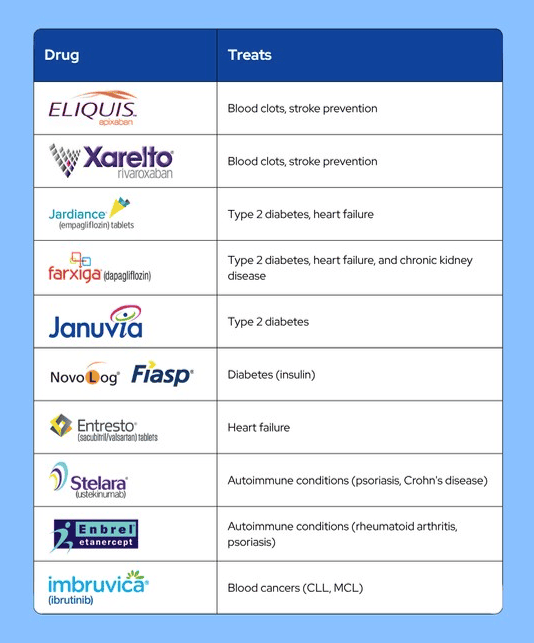
These ten drugs accounted for roughly 20 percent of all Part D drug spending in recent years, used by an estimated 9 million Medicare enrollees. The price reductions, which stem from the Inflation Reduction Act of 2022, are estimated to reduce enrollees’ out-of-pocket costs by approximately $1.5 billion in 2026 alone. Discounts off prior list prices range from 38 percent (Imbruvica) to 79 percent (Januvia), according to CMS.1,2,3
This is the first round.
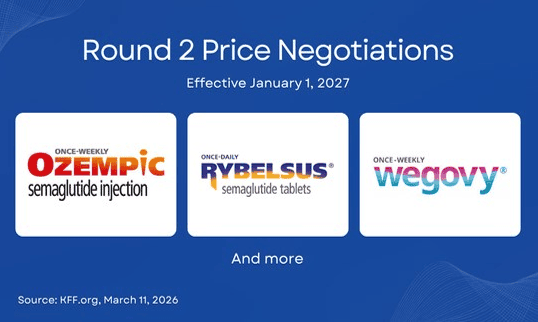
A second round covering 15 additional drugs — including GLP-1 weight loss and diabetes medications like Ozempic, Rybelsus, and Wegovy —takes effect January 1, 2027. A third round of negotiations is currently underway, with prices expected to take effect in 2028. The program adds more drugs each year. If a medication you take isn’t on this year’s list, it may be on a future one.4
Other Medicare Part D Changes in 2026
So, what else changed in 2026? Here’s an overview:
- The pool of stand-alone Part D plans got smaller. The number of stand-alone Medicare Part D plans available nationwide dropped by roughly 22 percent in 2026, from 464 in 2025 to 360, according to the Kaiser Family Foundation. Those dropped plans tended to be lower-cost options. Insurers cited increased financial exposure under the redesigned Part D benefit structure and a broader strategic shift toward Medicare Advantage. What this means in practice: if you’ve been on a stand-alone Part D plan, there’s a chance your plan changed—or the alternatives in your area are fewer than they were last year.5
- The out-of-pocket cap went up slightly, but it’s still a cap. The $2,000 annual out-of-pocket limit on covered Part D drugs introduced in 2025 rose to $2,100 for 2026. Once you hit that threshold, your cost for covered drugs drops to $0 for the rest of the calendar year. The cap still provides protection for anyone on high-cost medications, but the increase is worth factoring in if your drug costs are close to that ceiling. The maximum Part D deductible also increased, from $590 in 2025 to $615 in 2026, though individual plans may set lower deductibles or none at all.6
- Negotiated drug prices are real — but plan coverage still varies. The new negotiated prices must be made available through all Medicare Advantage Part D plans and stand-alone Part D plans. That’s the good news. The less obvious part: how a specific plan covers a drug can vary significantly from plan to plan.2
Why “Same as Last Year” Is a Riskier Default Now
In many years, keeping your existing Medicare coverage may seem like the easiest choice. Your coverage hasn’t changed significantly, the plan options are relatively similar, and switching may not seem worth the effort.
But 2026 brought several important changes to Medicare, including prescription drug pricing, available Part D plans, and out-of-pocket costs. As you prepare for the 2027 plan year, it’s important to understand how these changes, along with any additional updates taking effect in January, may affect your coverage and expenses.
A plan that worked well for you in 2026 may still be the right choice for 2027. However, taking the time to review your options before the December 7 Open Enrollment deadline could help you avoid unexpected costs and ensure your coverage continues to meet your needs.

September: Private plans send notice if there will be any change in cost, coverage, or service area
October 15: Medicare Open Enrollment Period begins
November: Flu season begins
December 7: Medicare Open Enrollment ends
January 1, 2027: New plan coverage begins
1. CMS.gov, April 9, 2026
2. CMS.gov, April 9, 2026
3. ASPE.hhs.gov, April 9, 2026
4. KFF.org, March 11, 2026
5. KFF.org, October 7, 2025
6. Medicare.gov, April 9, 2026