Vacations are meant to help you relax, not worry about whether someone is using your credit card, accessing your accounts, or stealing your mail while you’re away.
Unfortunately, summer travel is also a busy season for identity thieves and scammers. Empty homes, unfamiliar Wi-Fi networks, and distracted travelers create opportunities for criminals.
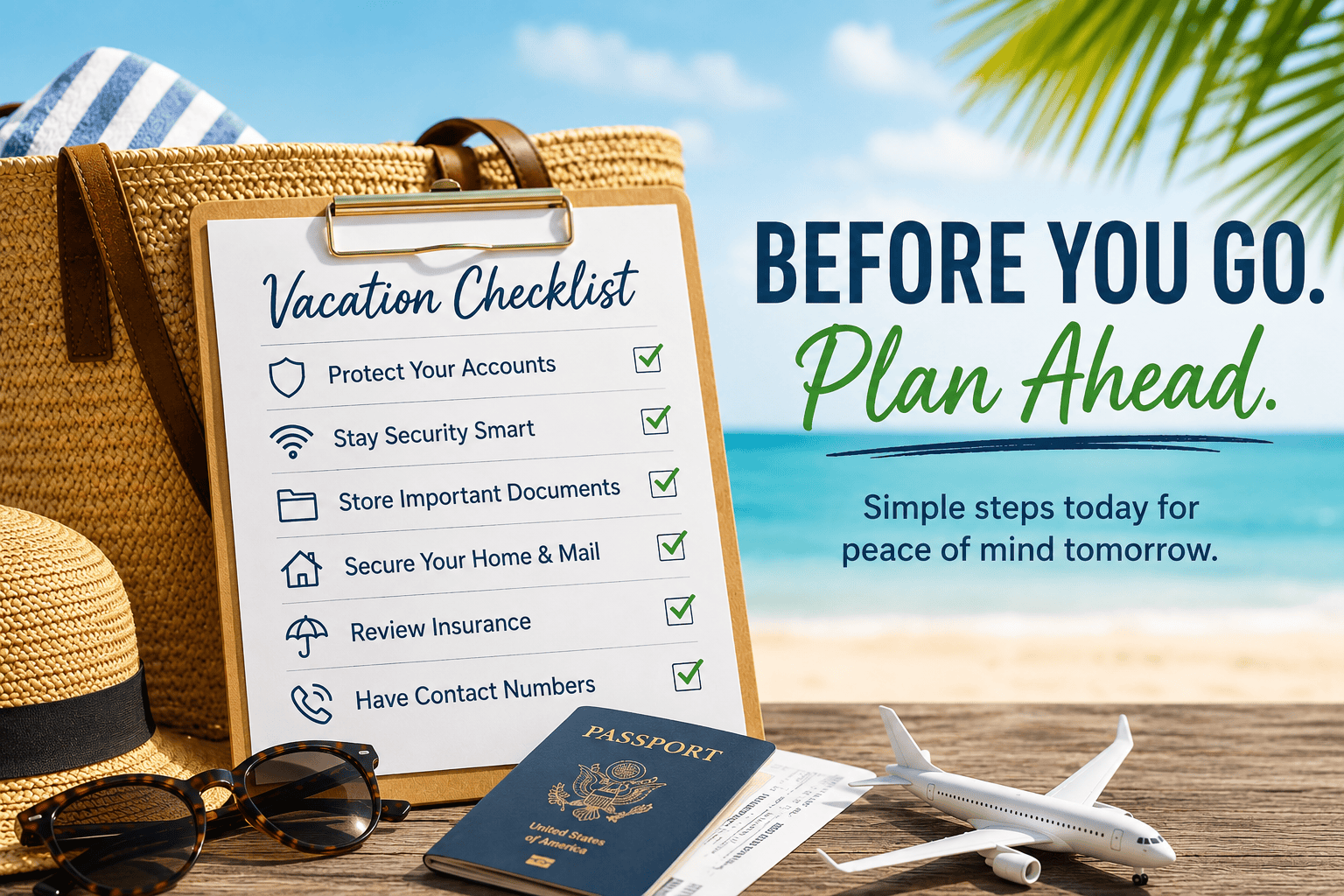
The good news is that a few simple precautions before you leave can significantly reduce your risk. Before packing your suitcase, take a few minutes to protect your financial life with this checklist.
1. Tell Your Credit Card Companies You’re Traveling
Many credit card companies no longer require you to notify them before you travel, but checking with your card issuer is still a good idea. While today’s fraud detection systems can often recognize legitimate travel purchases, a travel notification can help prevent valid transactions from being flagged or declined.
Before you leave, take a few minutes to:
- Make sure your bank has your current mobile phone number and email address so it can quickly reach you if suspicious activity is detected.
- Download your credit card’s mobile app if you haven’t already. Most apps allow you to temporarily freeze your card if it’s lost or stolen.
- Enable real-time transaction alerts for purchases, withdrawals, and online activity, if available.
Spending just a few minutes preparing your accounts before you leave can help you avoid unnecessary headaches while you’re away.
2. Avoid Public Wi-Fi for Financial Transactions
Airport lounges, hotels, coffee shops, and resorts often provide free Wi-Fi, but public networks are rarely secure. Avoid logging into financial accounts or making sensitive transactions while connected to public Wi-Fi.
If you need to access your accounts:
- Use your cellular connection whenever possible. While no connection is completely risk-free, cellular networks are generally more secure than public Wi-Fi.
- Connect through a trusted VPN before signing in.
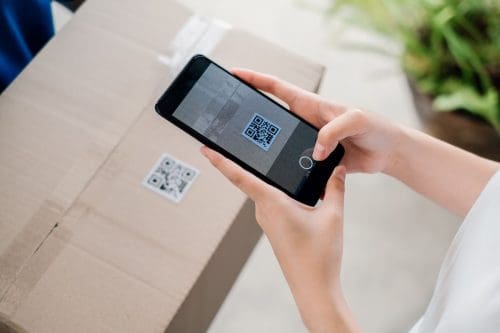
3. Be Cautious When Scanning QR Codes
QR codes have become a convenient part of travel, from restaurant menus and parking kiosks to museum exhibits and hotel services. Unfortunately, scammers have also found ways to use fake QR codes to direct people to fraudulent websites designed to steal personal or financial information.
Before scanning a QR code, take a moment to make sure it appears legitimate. If your phone displays the website before opening it, verify that the URL matches the business or organization you expect. If something seems unusual, type the website address into your browser instead.
A few extra seconds of caution can help protect your accounts while you’re away from home.
Want to learn more? Read our article Protect Yourself from QR Code Financial Scams for additional tips on spotting fake QR codes before you scan.
4. Store Important Documents Securely
Before you travel, make secure digital copies of important documents such as your passport, driver’s license, health insurance card, travel insurance information, and emergency contact numbers.
Store these copies in an encrypted cloud storage account or another password-protected location that’s protected with two-factor authentication. Avoid keeping sensitive documents in an unsecured photo album on your phone.
You may also want to leave copies with a trusted family member or friend who can access them if an emergency arises. Having quick access to these documents can make replacing them much easier if something goes wrong.
5. Hold Your Mail During Extended Trips
A mailbox overflowing with letters can advertise that no one is home. If you’ll be away for more than a week, consider asking someone you trust to collect your mail or request a temporary mail hold. The USPS Hold Mail service makes it easy to pause mail delivery until you return.
6. Request a Vacation House Check
Some police departments allow you to request an officer to check on your home while you’re away. It is a preventive service that can deter potential intruders and offer you peace of mind.
Availability varies by community, and some departments require requests to be submitted several days before your departure. Call your local police dispatcher or check your town’s police department website to learn more.
7. Review Your Travel Insurance Coverage
Unexpected events can happen even on carefully planned vacations.
Before you travel, understand what protections you already have. Depending on your situation, coverage may be available through:
- Your travel insurance policy
- Your credit card benefits
- Your health insurance
- Your homeowner’s or renter’s insurance for personal belongings
Knowing what’s covered and what isn’t can help you avoid expensive surprises.
8. Know How to Reach Your Financial Institutions
Before you travel, save the customer service numbers for your bank, credit card companies, and insurance providers somewhere other than your wallet. Consider leaving a copy with a trusted family member or friend, or in a secure, password-protected location that you can access from another device if needed. If your phone or wallet is lost or stolen, you’ll still have a way to quickly report missing cards, verify account activity, or request assistance.
It’s one of those small preparations that you hope you never need, but you’ll be glad you have if something goes wrong.
Financial Security Doesn’t Take a Vacation
Most of these tasks take only a few minutes and can help reduce the likelihood of fraud, identity theft, and unnecessary stress during your trip.
Whether you’re heading to the beach, exploring a new city, or visiting loved ones, a little preparation now will help you focus on making memories instead of managing financial surprises.
Planning Ahead Helps Protect What Matters
Protecting your finances while you travel is just one example of how small planning decisions can help prevent larger problems later.
At Access Wealth, we know that financial confidence comes from preparing for both the expected and the unexpected. If you have questions about protecting your financial accounts, reviewing your insurance coverage, or making sure your financial plan supports your lifestyle, we’re here to help.